A weekly or long-term rental fits projects that run past a single weekend. A kitchen gut in Torino, a whole-house cleanout in Magnolia Lakes, or a slow contractor phase in Verano can stretch two or three weeks, and…
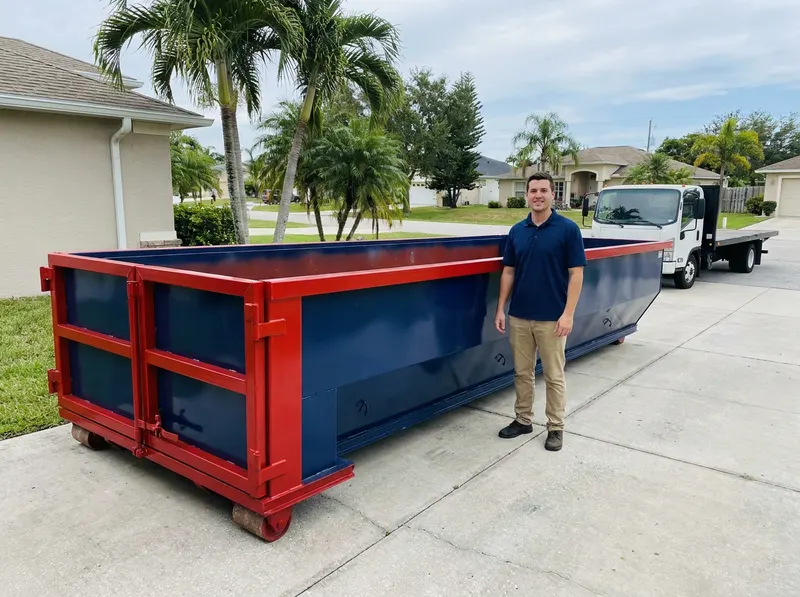
A weekly or long-term rental fits projects that run past a single weekend. A kitchen gut in Torino, a whole-house cleanout in Magnolia Lakes, or a slow contractor phase in Verano can stretch two or three weeks, and hauling debris to the St. Lucie County transfer facility yourself eats every Saturday. Keeping the container on-site means you load as work happens rather than racing a same-day pickup clock. The sustainable materials management approach the EPA describes favors consolidating waste into one managed haul over repeated small trips, which is what a longer rental does.
Step 1: choose the size against your debris volume. The 10-yard holds roughly four pickup-truck loads and suits a single-room remodel; the 15-yard and 20-yard cover most home renovations; the 30-yard and 40-yard handle roof tear-offs and full construction cleanouts. A 10-yard fits a tight paver driveway in Lake Charles, while a 40-yard needs open space closer to the acreage lots near PGA Village. Step 2: confirm placement. Boards go down under the wheels and rails to protect driveways and pavers, a common worry in Southbend and The Vineyards where lots are narrow. Step 3: load over your rental window. Step 4: call for pickup when you are done or the period ends. The same person who answered the phone follows through on the day promised.
A weekly rental is not junk removal, you load the container yourself, and it stays put for the agreed days. That is the trade-off: a driveway holds a container for a week or more versus paying for on-demand crews, but you keep control of the pace. Keep debris below the top rail so the load is legal to transport under cargo securement rules, and keep loose material managed the way OSHA jobsite housekeeping standards describe. Avoid overloading past the weight the container is built to carry.
Some materials do not belong in a general debris rental. Paint, solvents, batteries, and pesticides count as household hazardous waste and are handled through St. Lucie County collection, not a roll-off. Tires, appliances with refrigerant, and electronics also route separately; check the county's guidance and general reuse options through Earth911 recycling locators. Concrete, brick, and clean fill from a Tradition patio demo are heavy and are usually booked into a dedicated clean-fill container rather than mixed loads. The safe lifting guidance from NIOSH matters on long jobs where the same person carries debris for weeks. County-specific waste rules are posted by St. Lucie County Solid Waste, and Florida-wide handling standards come from the Florida Department of Environmental Protection. Debris estimating references are published by the National Waste & Recycling Association.
Every job gets a firm, written price after an on-site visit.
Tell us about your weekly & long-term dumpster rental job in Port Saint Lucie and we'll send a clear, written quote, usually the same day.
 Emily Dumpster rental